Christmas Forest Animal Clipart: A Designer's Holiday Toolkit
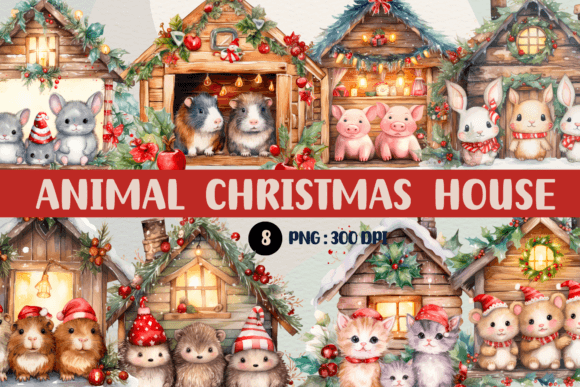
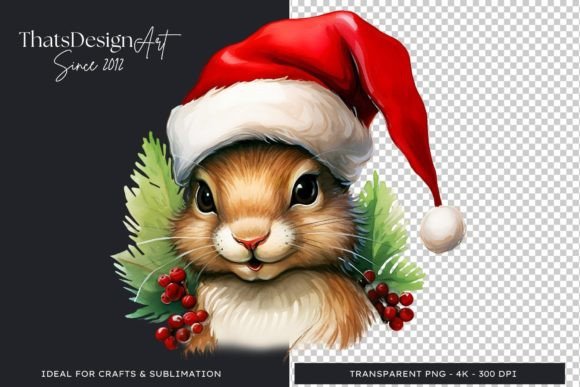
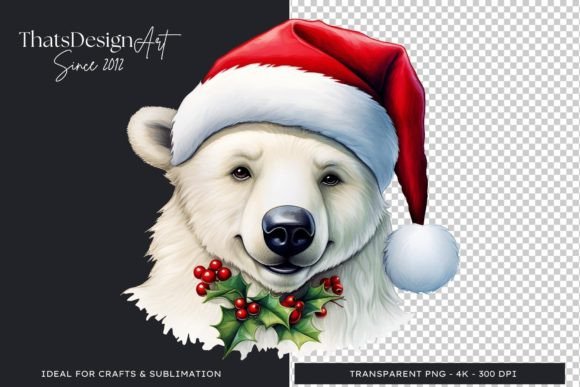
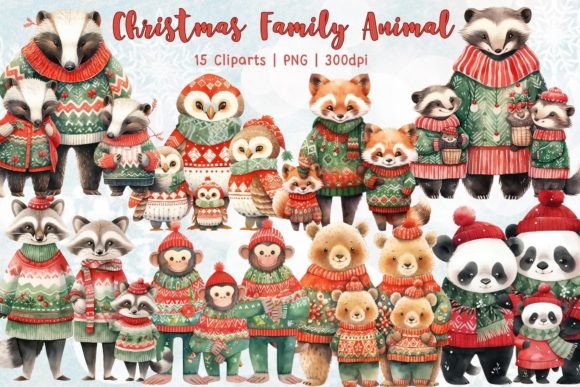
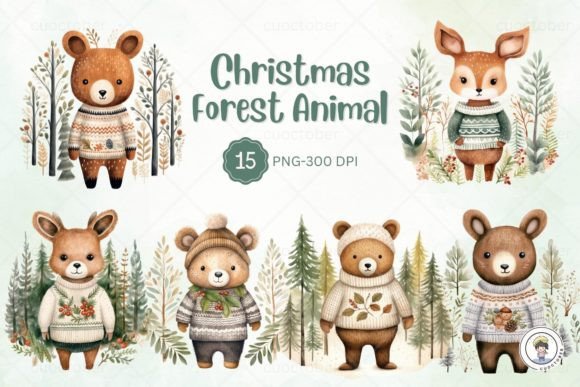
There's a particular charm in holiday designs that feel both whimsical and grounded—illustrations that evoke nostalgia without veering into kitsch. The Christmas Forest Animal Clipart set delivers exactly that balance. It's a collection built around woodland creatures rendered in a warm, hand-illustrated style, each animal dressed in festive detail: scarves, Santa hats, tiny sweaters, and surrounded by snow-dusted pine branches and berries. The overall aesthetic leans toward storybook illustration rather than cartoonish exaggeration, which gives it versatility across a surprisingly wide range of projects.
What makes this clipart set stand out visually is its attention to texture and character. Each animal—whether it's a fox, deer, rabbit, owl, or bear—has personality conveyed through subtle linework and a muted, natural color palette punctuated by traditional holiday reds and greens. The compositions feel balanced, with enough visual interest to hold attention but enough restraint to work as design elements rather than standalone illustrations. They're the kind of assets that integrate seamlessly into larger layouts without competing for dominance.
Where This Clipart Set Truly Shines
From a practical standpoint, the file specifications matter. You're getting 15 PNG files with transparent backgrounds and 15 JPG files with white backgrounds, each at 3000x3000 pixels (roughly 10" x 10") and 300 DPI. That resolution is significant—it means these assets are production-ready for both digital and physical applications. There's no need to upscale, no worrying about pixelation on printed materials. For anyone working in sublimation, DTG printing, screen printing, or inkjet transfers, these files arrive formatted for immediate use.
The applications are genuinely broad. Small business owners creating seasonal merchandise—think tote bags, ceramic mugs, throw pillows, and greeting cards—can drop these illustrations directly into their product templates. Scrapbook enthusiasts and journal makers will appreciate the cohesive woodland theme that ties multiple pages together. For social media managers and bloggers, the clipart works beautifully in Instagram posts, Pinterest graphics, and holiday-themed email headers. Even packaging designers working on artisan product labels or gift wrap will find the style adaptable. The woodland animal motif crosses demographic lines; it appeals to adults who appreciate craft-quality design and to families shopping for children's products.
One observation worth noting: the white-background JPGs are particularly useful for print-on-demand workflows where transparency isn't always handled cleanly by production systems. Having both formats eliminates a common friction point in the design-to-print pipeline.
Design Integration and Practical Considerations
When incorporating Christmas Forest Animal Clipart into a project, think about visual hierarchy. These illustrations carry substantial visual weight due to their detail and color saturation. In a layout with multiple competing elements—typography, photographs, backgrounds—the clipart should anchor a specific section rather than scatter across the entire composition. Pairing them with clean sans serif typography creates a pleasant contrast between the organic illustration style and structured text. A handwritten or script font for headlines can amplify the storybook quality if that's the direction your project calls for.
For brand identity work, this set offers a shortcut to seasonal consistency. A coffee shop, bookstore, or children's boutique could build an entire holiday campaign around these animals, using them across signage, social media graphics, loyalty cards, and merchandise. The cohesive illustration style means you're not cobbling together mismatched assets from different sources—a common problem that undermines professional polish.
Color harmony deserves attention too. The natural woodland palette in these illustrations pairs well with earthy tones, cream backgrounds, and deep forest greens. If your project uses a brighter or more modern color scheme, consider placing the clipart against neutral backdrops to prevent visual clashing. The illustrations are detailed enough to function as focal points but versatile enough to serve as supporting elements in busier compositions.
Evaluating Fit for Your Creative Workflow
Before committing any design asset to a project, I recommend a simple test: place it in your working document at the intended size and step back. Does it feel proportionate? Does it support the message or distract from it? With Christmas Forest Animal Clipart, the answer often depends on context. A single fox illustration might elevate a holiday card design, while using all fifteen animals on one layout could overwhelm the viewer unless the composition is carefully planned.
Licensing matters for commercial use. This set is designed for both personal and commercial applications, which covers the needs of Etsy sellers, freelance designers, and small business owners. Always verify the specific terms if you're producing items for resale, but the description indicates compatibility with products like t-shirts, stickers, frame artwork, and sublimation goods—exactly the use cases most creators need.
For designers accustomed to working with premium fonts and structured typefaces, integrating illustrated clipart requires a slightly different mindset. Typography relies on consistency and rhythm; clipart introduces organic shapes and varied silhouettes. The best results come from treating these illustrations as deliberate design choices rather than decorative afterthoughts. Give them breathing room. Let them tell part of the visual story.
Ultimately, this clipart set earns its place in a designer's seasonal toolkit because it solves real problems. It provides high-resolution, print-ready assets in multiple formats with a cohesive visual theme. Whether you're building a product line, designing marketing materials, or crafting personal holiday projects, having reliable, professionally illustrated assets saves time and elevates the final result. That practical value—more than any aesthetic preference—is what makes a design resource worth using.